
Phase 2
After You Arrive in Germany
This phase guides you through the official registrations and mandatory steps required once you are physically in Germany.

Step 1:
Get Internet Immediately After Arrival (eSIM)
Why this should be your first step
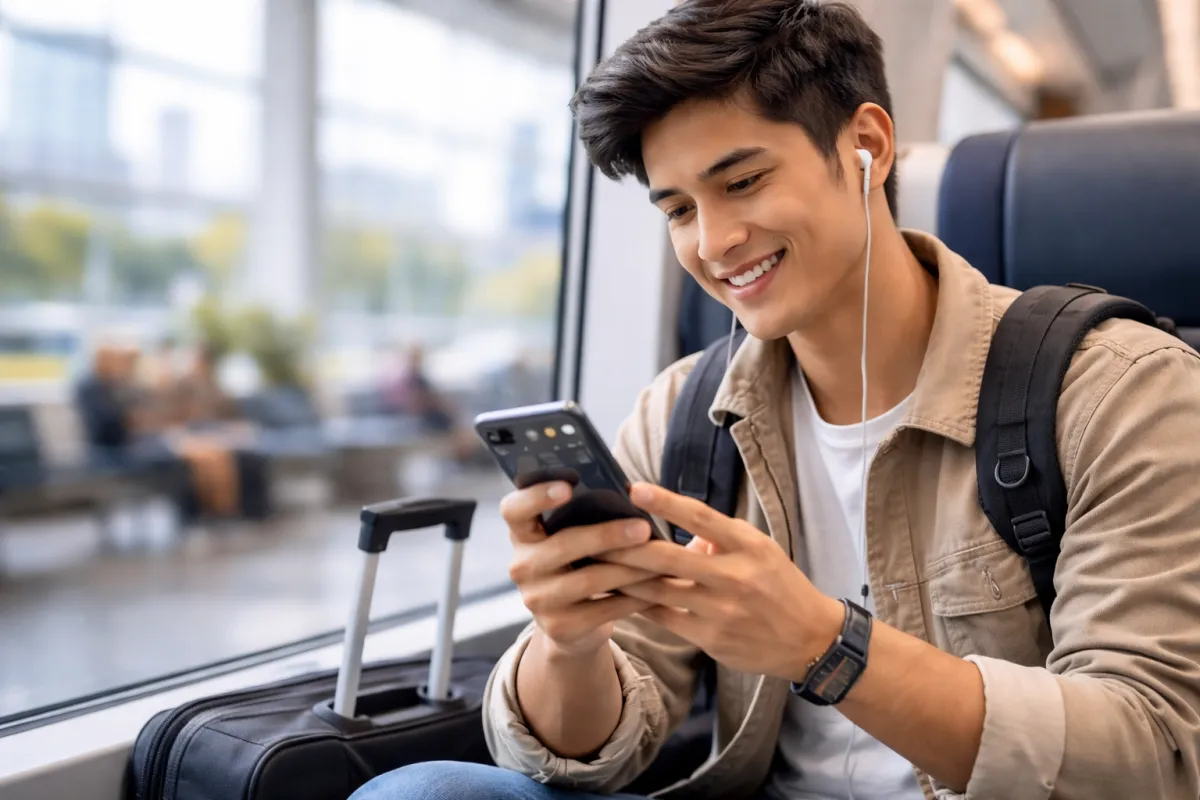
The moment you land in Germany, you will need internet access.
You may need it to:
Call a taxi or use public transport apps
Contact your landlord
Access Google Maps
Receive bank or verification codes
Book city registration appointments
Communicate with university or employer
Without mobile data, even simple tasks become difficult.

1. Do I need a German address to activate Airalo?
No.
You can purchase and activate the eSIM before or after landing in Germany.
No German address is required.
2. Do I need to insert a physical SIM card?
No.
Airalo works as an eSIM.
You install it digitally on your phone.
Your physical SIM card can stay inside your device.
3. Will I get a German phone number?
Usually no.
Airalo provides mobile data only.
You can use:
Maps
Online banking
Ride and delivery apps
If you need a German phone number, you can get a local SIM later.
4. When should I activate the eSIM?
You can install it in advance and activate it once you arrive in Germany.
Many students activate it right after landing at the airport.
5. Is my phone compatible with eSIM?
Most modern smartphones support eSIM.
Check your device settings under:
Settings → Mobile Network → Add eSIM
If unsure, check your phone model online before purchasing.
6. How long is the data plan valid?
Each plan has a fixed validity period (for example 7, 15, or 30 days).
Choose the plan that matches your arrival and setup period.
Airalo – Instant eSIM for Germany
Airalo allows you to get mobile internet immediately after arriving in Germany — without visiting a store or waiting for a SIM card delivery.
This is especially useful during your first hours and days in Germany.
It helps you:
Instant activation
No physical SIM required
No German address needed
No long-term contract
Works immediately after landing
Perfect for your arrival phase.

(Exact benefits depend on Airalo’s current referral program.)
👉 By using our partner link and the code:
Code: STEPHA8239
You may receive a discount on your first purchase
(depending on current Airalo conditions).
🔗 Helpful resources & partner links
To make your arrival in Germany easier, we provide a direct link to:
Airalo – Instant Germany eSIM
Immediate mobile internet after landing
No physical SIM card required
No German address needed
🎁 Save on your first purchase
Use our partner link and enter the code:
STEPHA8239
You may receive a discount on your first Airalo purchase (depending on current Airalo conditions).
Some links may lead to partner services.
All recommendations are optional, transparent, and based on usefulness.
Step 2:
Get Your
Wohnungsgeberbestätigung
Why does this step come first?
Before you can register your address in Germany (Anmeldung), you must receive a document from your landlord called Wohnungsgeberbestätigung.
Without this confirmation, the city office will not complete your registration.
And without registration, you cannot:
Open a German bank account
Receive your tax ID
Apply for or extend your residence permit (Non-EU students)
This document is the foundation for all official steps after arrival.
If this step is delayed or incorrect, everything else will be delayed too.

1. What exactly is the Wohnungsgeberbestätigung?
It is a written confirmation from your landlord (or main tenant in a shared flat) stating that you have moved into the apartment.
It confirms:
- Your full name
- The exact address
- Your move-in date
- Name and signature of the landlord
Without this document, your city registration (Anmeldung) will not be accepted.
2. Who issues this document?
- If you rent the apartment directly → your landlord issues it.
- If you live in a WG → the main tenant can issue it.
- If you stay in student housing → the housing administration provides it.
3. Do I need this before booking my city registration appointment?
You can book the appointment without it.
But you must bring the document to the appointment.
Without it, the registration will usually be rejected.
4. What if my landlord refuses to give it?
The landlord is legally required to provide it.
If they delay it, remind them politely.
Registration without it is generally not possible.
5. What are common mistakes?
- Wrong move-in date
- Misspelled name
- Missing signature
- Using a rental contract instead (this is NOT enough)
Always check the document before your appointment.
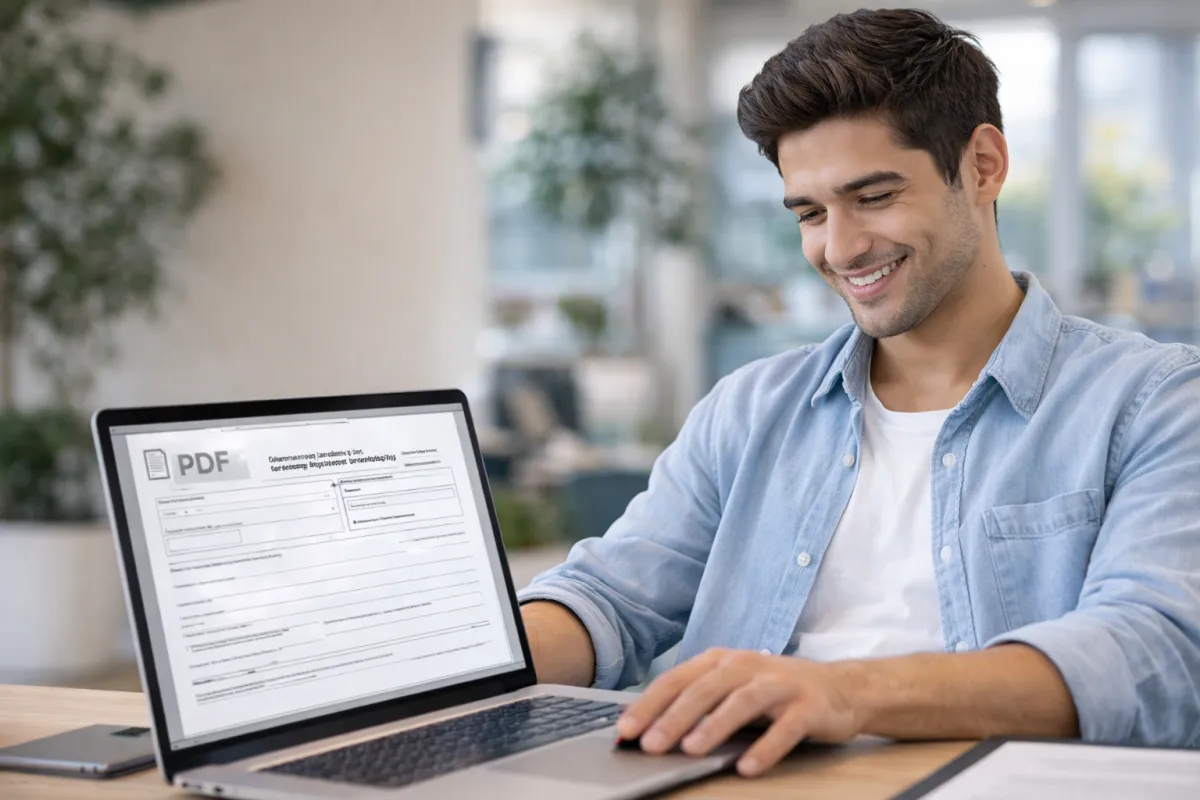
📄 Free Template: Wohnungsgeberbestätigung
Save time. Download the official landlord confirmation template here.
To complete your city registration (Anmeldung), you must submit a Wohnungsgeberbestätigung signed by your landlord or main tenant.
If you don’t have one yet, you can download our ready-to-use template below and send it directly to your landlord.
Official structure
Accepted by German city offices
Free to use
This template is provided for convenience.
Always verify local city requirements if unsure.
Step 3:
Register Your Address (Anmeldung)
Why does this step matter?
After moving into your apartment, you must officially register your address at the local city office (Bürgerbüro / Einwohnermeldeamt).
This is a legal requirement in Germany.
Your registration determines:
your official residence status
when you receive your tax ID
whether you can open a bank account
whether you can apply for or extend your residence permit (Non-EU)
Without registration, many important processes cannot continue.
1. What do you need for your Anmeldung appointment?
Bring the following documents:
- Your valid passport
- Your Wohnungsgeberbestätigung
- Completed registration form (if required by your city)
Some cities may also ask for:
- Residence permit (if already issued)
- Marriage certificate (if registering as a family)
Always check your city’s website before the appointment.
2. Do I need to book an appointment in advance?
Yes, in most cities you must book an appointment online.
In smaller cities, walk-in registration may still be possible.
Appointment slots can be limited — book early.
3. What do I receive after registration?
You will receive a registration confirmation (Meldebescheinigung).
- This document is important for:
- Opening a bank account
- Signing contracts
- Applying for a residence permit
- Official correspondence
Keep it safe.
4. When will I receive my tax ID?
After completing your Anmeldung, your tax identification number (Steuer-ID) is usually sent automatically by post to your registered address.
This can take several weeks.
Can I get my tax ID faster?
Yes.
If you urgently need your Steuer-ID (for example for a job), you can visit your local Finanzamt in person.
In many cases, they can provide your tax ID directly or issue an official confirmation letter.
Bring:
Your passport
Your Meldebescheinigung (registration confirmation)
Important to understand
The Steuer-ID is different from a Steuernummer.
The Steuer-ID is assigned automatically after registration.
A Steuernummer must be actively requested and is usually only required if you plan to work as a freelancer or start a business.
5. What happens if I don’t register?
Registration is mandatory in Germany.
Failure to register on time may lead to fines and delays in other administrative processes.
Step 4:
Open a German Bank Account
Why this step matters
A German bank account is essential for your daily life in Germany.
If you opened a blocked account (Sperrkonto) for your visa, your monthly living allowance will be transferred to a German bank account.
This means:
You use this money to pay rent
You cover groceries, transport, and daily expenses
You pay health insurance and other contracts
Your monthly funds from the blocked account are paid out to this account
Without a German bank account, you cannot access your monthly blocked account payments.
1. Do I need a German bank account if I already have a blocked account?
Yes.
Your blocked account (Sperrkonto) is only used to prove financial stability for your visa.
The monthly amount released from your blocked account is transferred to a regular German current account (Girokonto).
You cannot use your blocked account directly for daily payments.
2. Can I open a German bank account without a tax ID?
Yes.
In most cases, you can open a bank account with:
- Passport
- Registration confirmation (Meldebescheinigung)
- German address
The tax ID is usually not required during account opening.
3. Can I open the account before receiving my residence permit?
Yes, in many cases.
Most banks allow account opening with your passport and registration confirmation.
If additional documents are required, the bank will inform you during the process.
4. Is a digital bank account accepted everywhere in Germany?
Yes.
Digital banks like N26 provide a German IBAN and function like traditional banks.
You can:
- Receive salary
- Pay rent
- Set up direct debits
- Transfer money
Some older businesses may still prefer cash, but bank transfers are standard.
5. What if I prefer a traditional bank with a branch?
You can choose a local bank with physical branches.
However, the process may take longer and sometimes requires more paperwork.
Digital banks are usually faster and easier for international students.
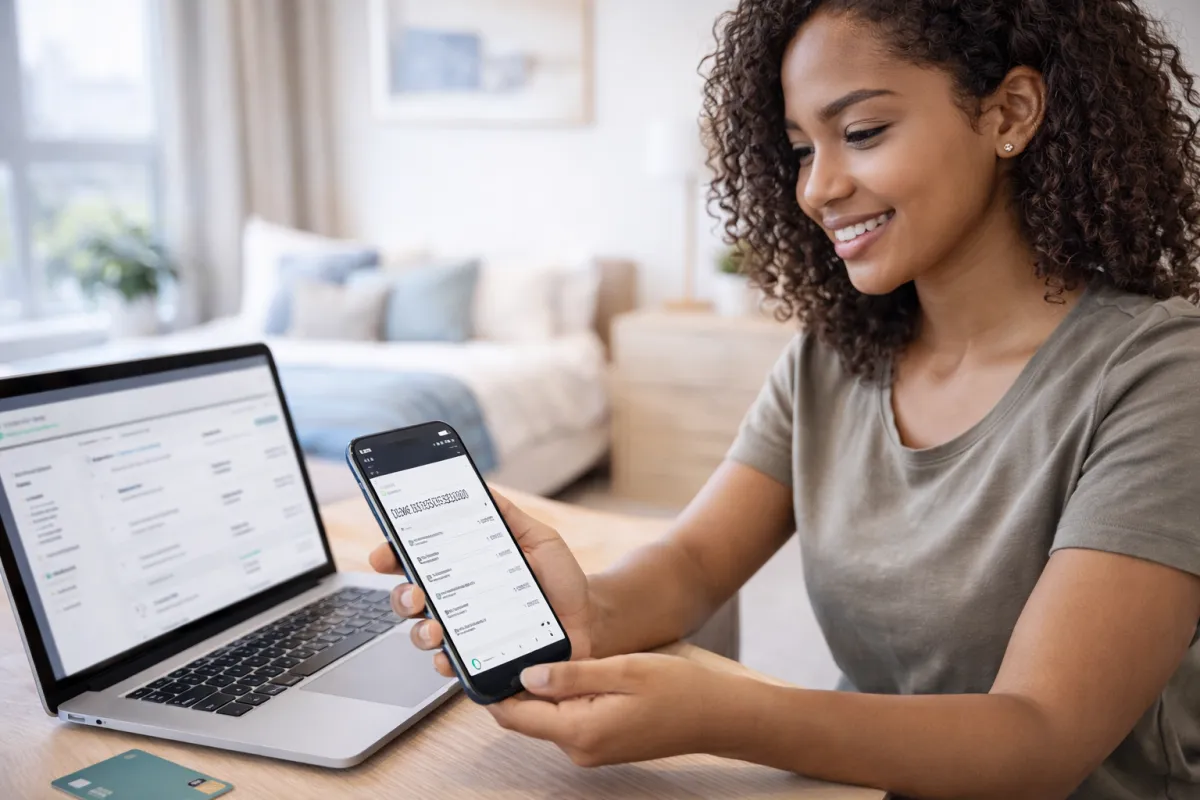
N26 – German Bank Account for Students
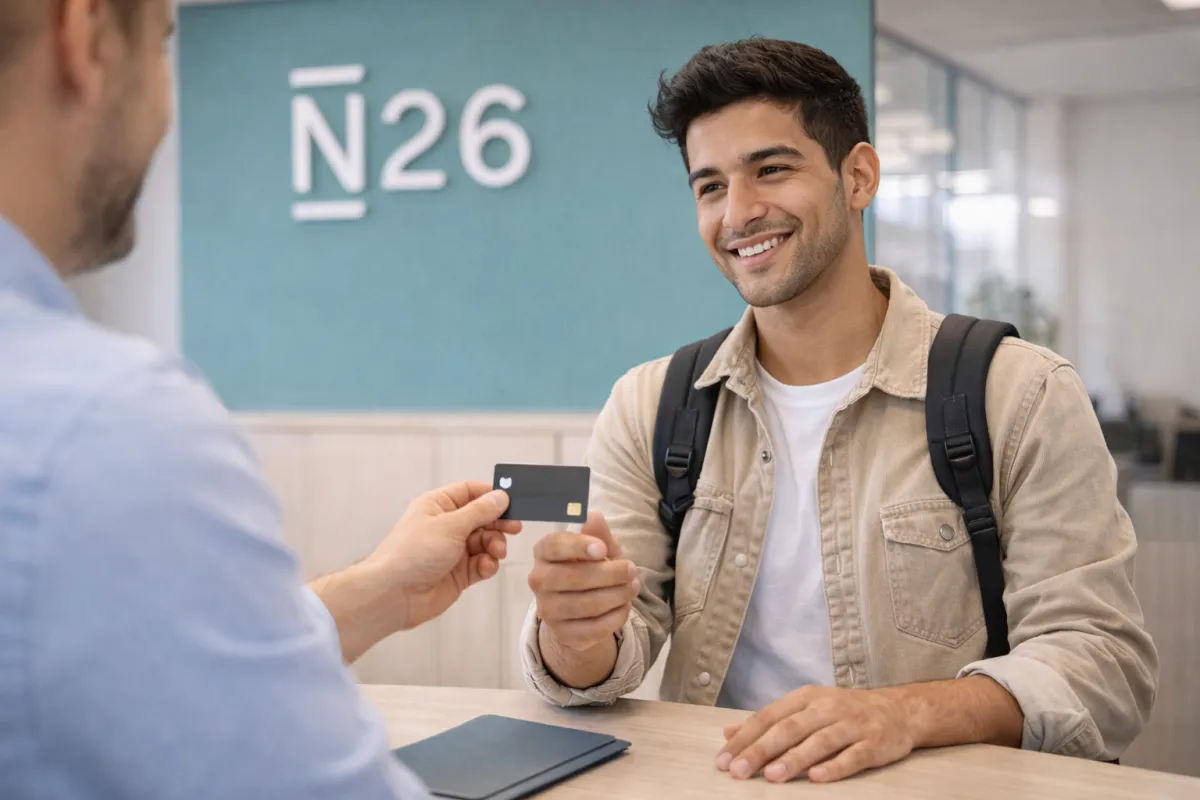
N26 is a fully licensed German digital bank and one of the most popular banking options for international students in Germany.
It provides a German IBAN and allows you to manage your finances entirely online.
Fast online setup
English app & support
Free standard account option
Full access via smartphone
Ideal for receiving blocked account payouts
(Exact benefits depend on current partner terms.)
👉 By using our partner link, you may receive benefits depending on current partner conditions.
🔗 Helpful resources & partner links
To make opening your German bank account easier, we provide a direct link to:
N26 – German digital bank account
Manage your daily expenses in Germany
Pay rent and bills
Some links may lead to partner services.
All recommendations are optional, transparent, and based on usefulness.
Step 5:
Understand the German Broadcasting Fee (Rundfunkbeitrag)
Why this step matters
In Germany, every household must pay a monthly broadcasting contribution (Rundfunkbeitrag).
This fee is mandatory by law and finances public television and radio services.
It is not optional — even if you do not watch TV.
How does it work?
The fee is charged per apartment, not per person.
The current amount is shared among all people living in the same flat.
Only one person in the apartment needs to register and pay.
If you live in a WG, you usually share the cost.

1. How much is the broadcasting fee?
The current fee is charged per apartment, not per person.
The amount is the same whether one or four people live there.
If you live in a WG, you usually divide the cost among all flatmates.
2. Do I have to pay if I live in a shared flat (WG)?
Yes — but only once per apartment.
If one flatmate already pays and has a contribution number (Beitragsnummer), you can register as an additional resident under that number.
You do not pay twice.
3. Do I have to pay if I live in a student dorm?
In most cases, yes.
If you have your own room with a separate rental contract and it counts as an independent living unit, the fee usually applies.
Check with your dorm administration if unsure.
4. What happens if I ignore the letters?
Ignoring the letters does not cancel the obligation.
You may later receive payment requests including back payments.
It is better to clarify the situation early.
5. Can I be exempt from the broadcasting fee?
Exemptions are possible in specific situations, for example:
- Receiving certain social benefits
- Severe financial hardship
Students with a regular blocked account are usually not exempt.
6. What should I do if I move out?
You must deregister your old address and update your registration.
If you were the person paying for the apartment, inform the broadcasting service when moving out.
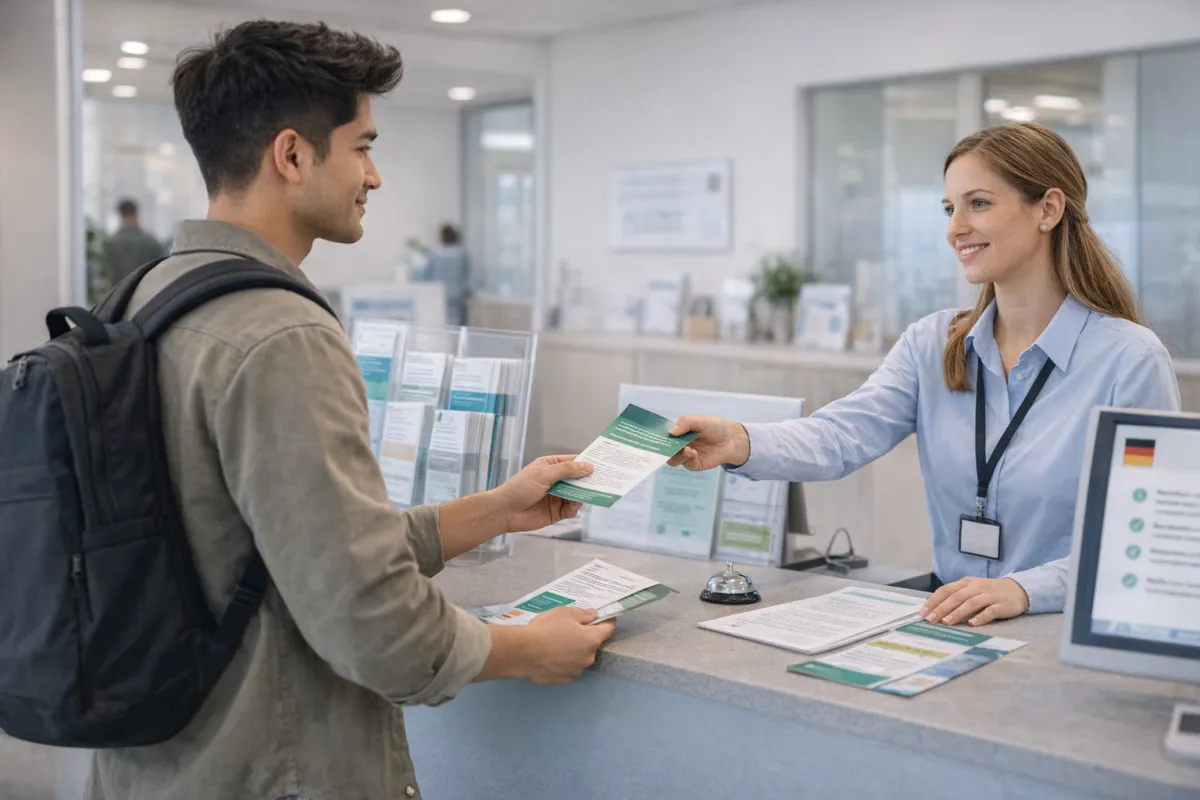
📺 Official Information: German Broadcasting Fee (Rundfunkbeitrag)
Make sure your apartment is correctly registered for the German broadcasting contribution.
After your city registration (Anmeldung), you may receive a letter regarding the Rundfunkbeitrag.
To avoid confusion or unnecessary payments, you can check the official information directly here.
Official government website
Register your apartment
Add yourself to an existing WG contribution number
Update your address if you move
If you live in a shared flat (WG), ask your flatmates first whether a contribution number already exists.
Only one payment per apartment is required.
Step 6:
Get Personal Liability Insurance (Haftpflichtversicherung)
Why this step matters
In Germany, you are financially responsible for damage you cause to other people or their property.
Even small accidents can become expensive.
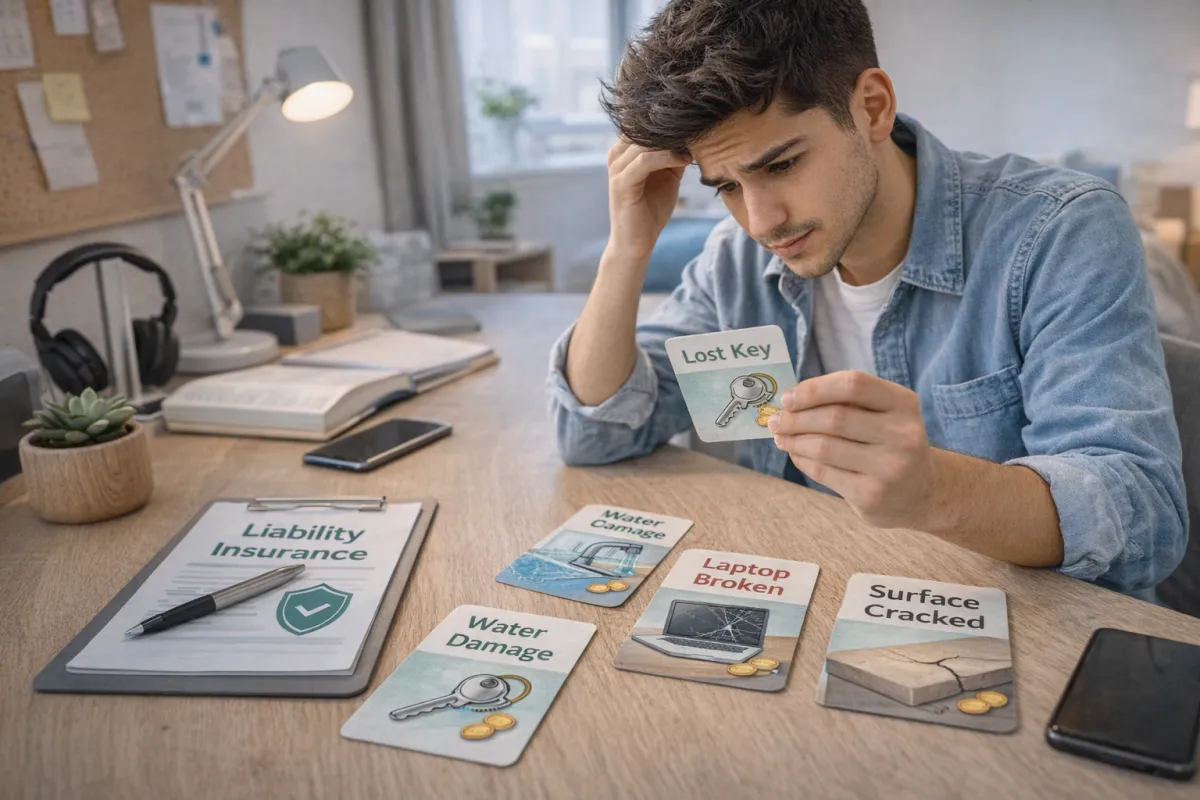
Examples:
You lose a shared apartment key
You damage someone’s laptop
You cause water damage in a bathroom
You accidentally damage a kitchen surface in your apartment
Without liability insurance, you must pay these costs yourself.
1. How much does personal liability insurance cost?
For students, it is usually very affordable.
In many cases, it costs only a few euros per month, depending on the coverage and provider.
Compared to potential damage costs, it is a very small investment.
2. Is this the same as health insurance?
No.
Health insurance covers medical treatment and doctor visits.
Personal liability insurance covers damage you accidentally cause to other people or their property.
These are two completely different types of insurance.
3. Do I need liability insurance if I live in a shared flat (WG)?
Yes, especially in a WG.
If you accidentally damage shared property (kitchen, bathroom, furniture), you may be personally responsible.
Liability insurance can protect you from high repair or replacement costs.
4. Does it cover damage to my own belongings?
No.
Personal liability insurance covers damage you cause to others.
If you want protection for your own belongings (e.g. theft, fire), you would need household contents insurance (Hausratversicherung).
5. What about lost apartment keys?
Many policies include coverage for lost keys — especially if they belong to a shared building or central locking system.
Always check whether key loss is included in the policy conditions.
Versicherungskammer Bayern
Personal Liability Insurance for Students
Living in Germany means you are personally responsible for damage you accidentally cause.
A strong liability insurance protects you from high financial risks — especially in shared apartments (WG).
Why we recommend the “Optimal” tariff
While basic tariffs offer general coverage, the Optimal tariff includes extended protection that is particularly important for students:
Coverage for lost apartment keys
Coverage for damage to borrowed items
Coverage for internet / electronic data damage
Protection for accidental personal and property damage
Coverage for rental property damage (Mietsachschäden)
The price difference to the basic tariff is small — but the protection level is significantly higher.

Phase 2- Frequently Asked Question
Phase 2 Questions
What should I prioritize in my first 48 hours?
1. Mobile internet
2. Contact landlord
3 .Prepare for registration appointment
4. Set up your bank account
These will unlock everything else.
Do I need to complete all steps immediately after arrival?
Not all on the same day — but you should complete them within your first weeks in Germany.
Some steps (like city registration) are legally required within a short period after moving in.
Others (like liability insurance) are strongly recommended for protection.
What happens if I delay my registration (Anmeldung)?
Registration is mandatory.
Delays can:
Complicate bank account setup
Delay your tax ID
Cause issues with your residence permit
In some cities, lead to fines
It is best to book your appointment early.
Can I open a bank account before registering my address?
Usually no.
Most banks require your official registration confirmation (Meldebescheinigung).
That’s why the order of steps matters.
Do I need a German phone number immediately?
You need mobile internet immediately.
A German phone number is recommended for job applications and daily communication, but you can start with a data eSIM and get a local number later.
When will I receive my tax ID?
After registration, your tax ID (Steuer-ID) is usually sent by post to your registered address.
If you urgently need it (for a job), you can visit your local Finanzamt with your passport and registration confirmation.
Is personal liability insurance mandatory?
No.
But it is highly recommended in Germany.
Without it, you are personally responsible for damages you accidentally cause — which can be expensive.
What if I live in a shared flat (WG)?
Many responsibilities apply per apartment:
Broadcasting fee (GEZ) is paid once per flat
Liability insurance is personal
Registration is individual
Always coordinate with your flatmates.
Can I skip certain steps?
Some steps are legally required (registration, broadcasting clarification).
Others are strongly recommended (bank account, liability insurance).
Skipping important steps can create delays or financial risks.









Clarity
Clear guidance instead of confusion.

Transparency
Honest explanations and partner recommendations.

Reliability
Built on real student experience.

COMPANY
STUDENT RESOURCES
LEGAL
Copyright 2026. Independent guidance platform for international students in Germany.
Some links may lead to partner services. All recommendations are transparent and optional.